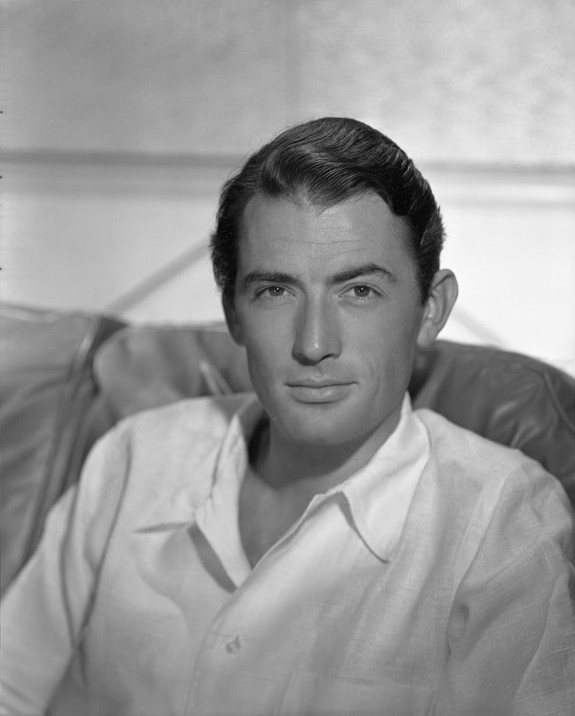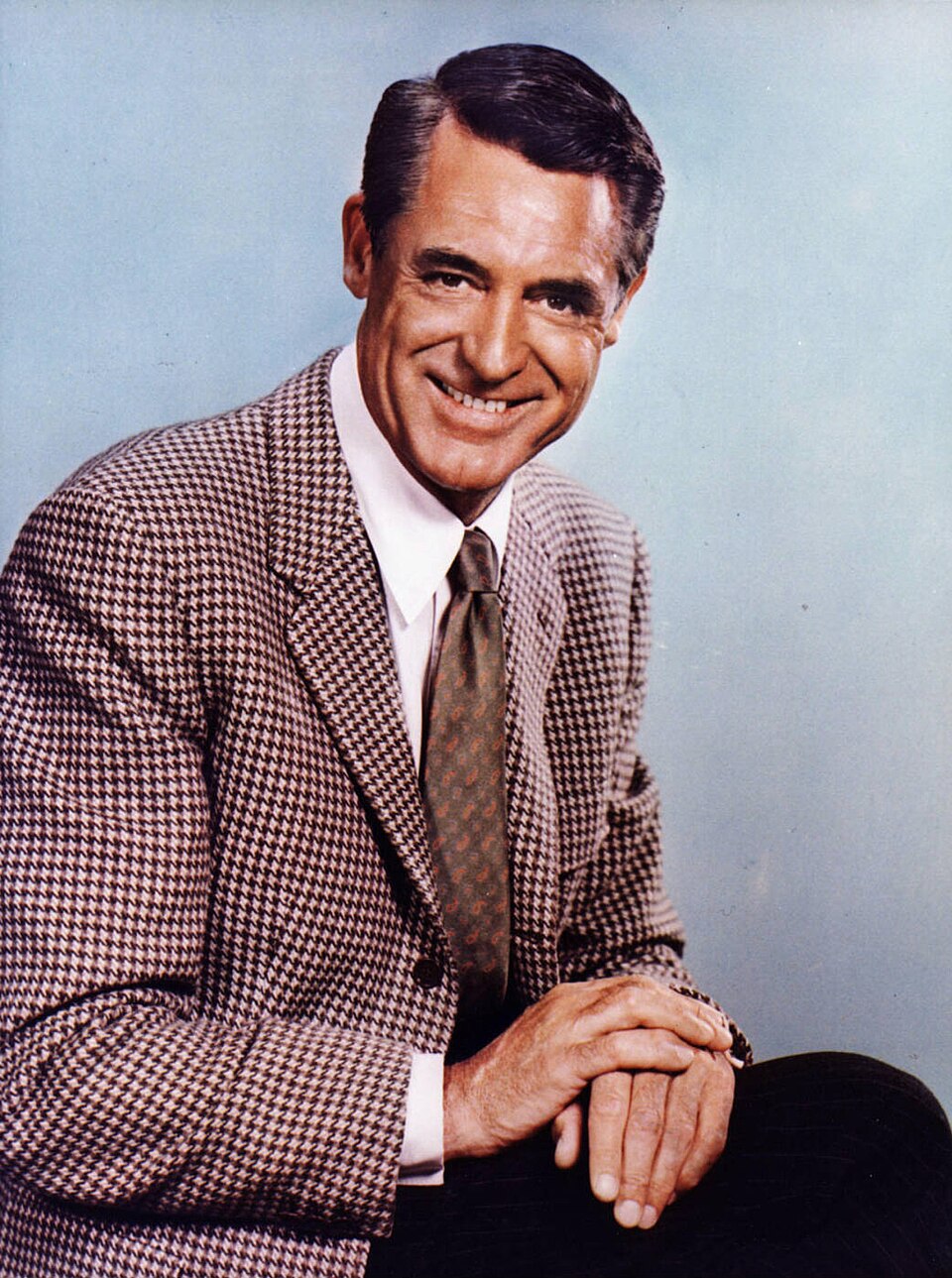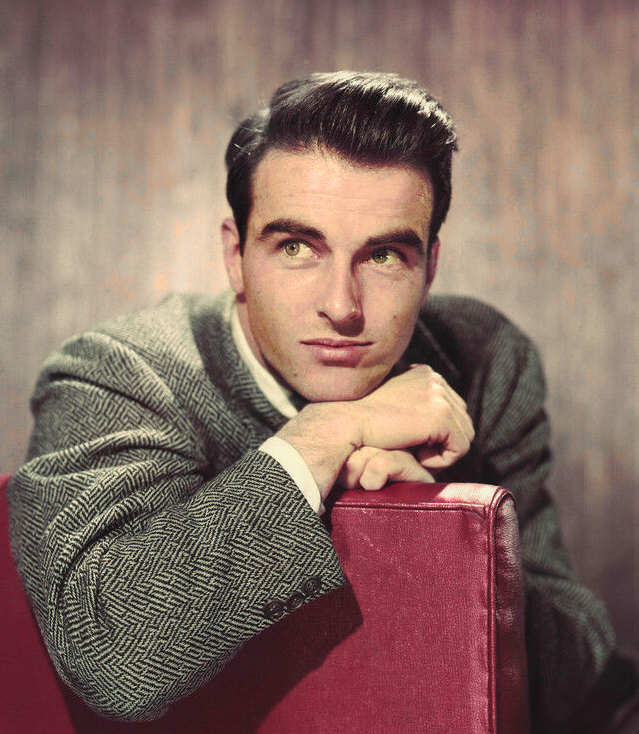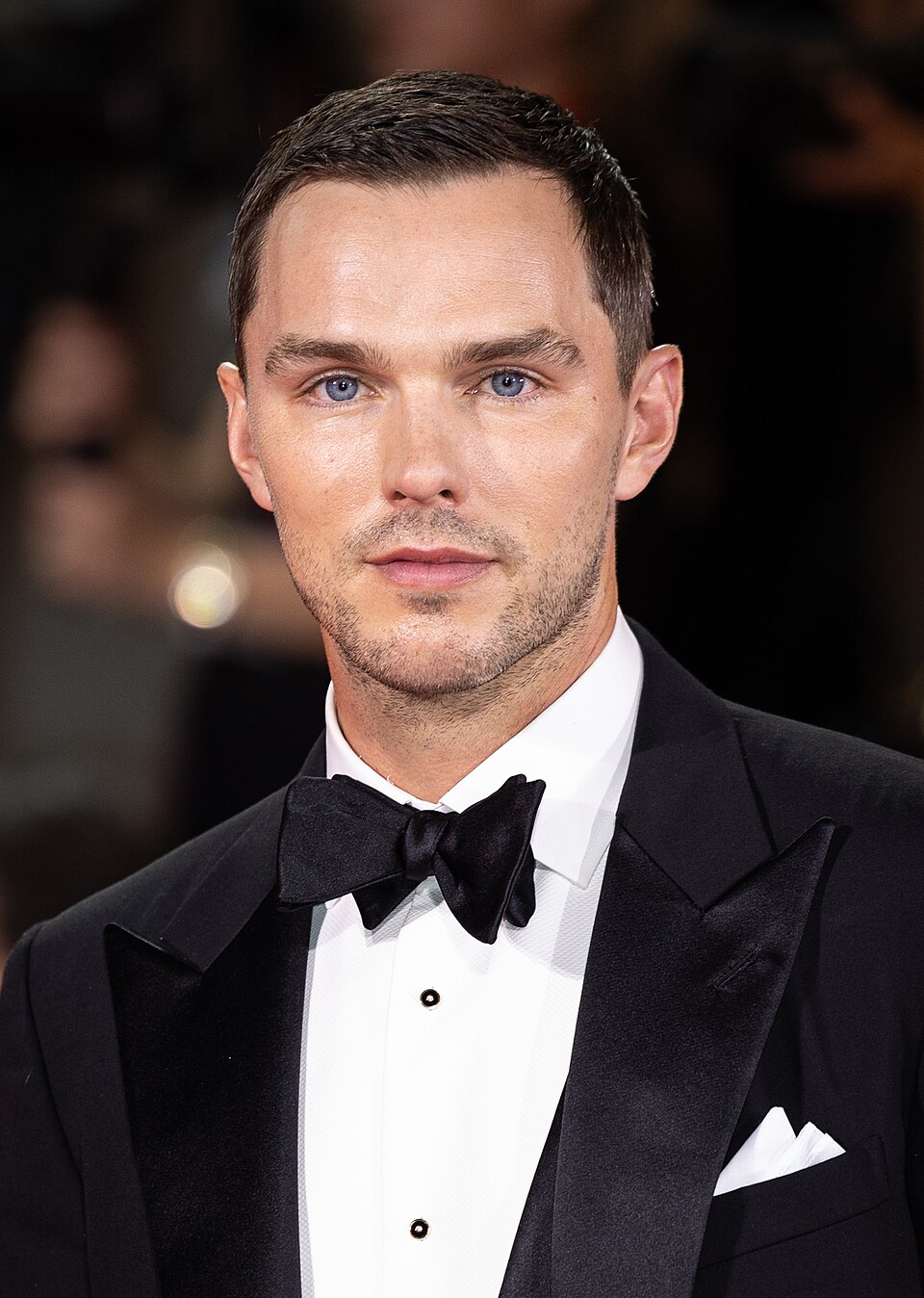
Why Fight Club Brad Pitt Is the Historical PSL Reference
In looksmaxxing communities, there are two types of celebrity references: living references (current celebrities used for ongoing debate) and historical references (peak-era celebrities used as fixed anchors). Brad Pitt's Fight Club era occupies an almost mythological status as a historical reference. If you want to illustrate what near-7.0 male facial structure looks like, you use that specific era.
What made it exceptional wasn't any single feature. It was the combination: positive canthal tilt + near-ideal facial thirds + strong chin projection + cheekbone definition + low facial adiposity simultaneously. Most highly rated faces have 2–3 of these. The Fight Club era had all of them at the same time.
The Facial Thirds Argument for 7.0
The core argument for rating peak Pitt at 7.0 rather than 6.5 centers on his facial thirds. In most photographic analysis of the Fight Club era, his three facial segments measure close to 33/33/33. The lower third has strong chin projection that fully completes the lower face — rare at this level of balance with also having strong upper and mid thirds.
What makes near-perfect thirds analytically significant is that they provide a foundation that amplifies all other features. His canthal tilt looks better because the eye area is positioned correctly within the thirds. His jaw looks better because the lower third is the right length. The thirds balance acts as a multiplier. Faces with similar individual features but imbalanced thirds lose perceived harmony.
The Current Pitt: A Different Analysis
The looksmaxxing community mostly discusses Fight Club era, but it's analytically useful to track how age has affected his rating. Current (2020s) photographs show: elongated midface as skin descends, loss of the positive tilt appearance as orbital soft tissue changes, reduced jawline definition, and altered cheekbone shadow from redistribution of facial fat.
This is not unusual — aging affects all these metrics. But it's a useful data point for understanding the difference between structural rating and current appearance. His bone structure is the same at 60 as it was at 35. What's changed is the soft tissue, which affects everything from canthal tilt appearance to jawline definition. PSL analysis ideally uses photos from a consistent body fat percentage and age, which is why the community standardized on the Fight Club era.
Nose Width: The Consistent Failo
Every analysis of Pitt notes the nose width. His alar base runs wider than the ideal ratio. In the ideal face, the alar base width equals the intercanthal distance (distance between inner eye corners). Pitt's alar base exceeds his intercanthal distance. In isolation this is a notable failo; in context of the overall face it reads as minor because of the compensation from the other features. This is why the community rates him 6.5–7.0 rather than 7.5+.